As a global hub for gold, the UAE offers residents and expats a dynamic marketplace to invest in the precious metal. The two main ways to invest are buying physical gold and trading digital gold. While both serve the same goal, they have distinct advantages and disadvantages, and the best choice depends on your investment goals and risk tolerance.
The Appeal of Physical Gold in the UAE
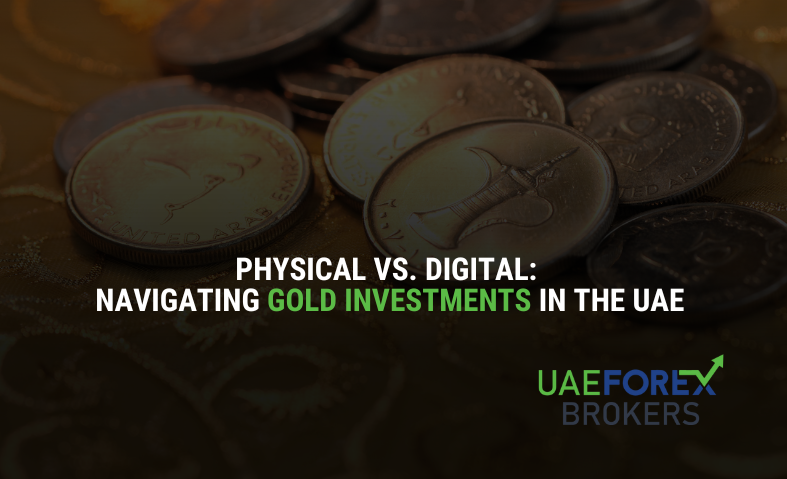
Physical gold is what most people first think of when they consider investing: actual gold bars, coins, or bullion that you can hold. The UAE, and Dubai in particular, is world-renowned for its physical gold market, with the famous Dubai Gold Souk drawing in visitors and investors from around the globe.
Advantages of Physical Gold
A primary benefit is the tangibility of the asset. You own a physical, valuable item that isn’t reliant on an online platform or a third party. This offers a sense of security that many traditional investors find appealing. The UAE’s gold market is also known for its exceptional purity and quality. Much of the gold sold here meets the Dubai Good Delivery (DGD) Standard, a strict international benchmark for gold bars, ensuring that what you buy is authentic and of the highest quality.
For a pure investment, physical gold is also a cost-effective choice in the UAE. Investment-grade gold, which is gold with 99% purity or higher in the form of bars or coins, is exempt from the 5% Value Added Tax (VAT). The VAT exemption on investment gold offers a distinct advantage over gold jewelry, which is subject to the tax. Additionally, the physical gold market in Dubai is highly liquid, meaning you can easily sell your gold to a reputable dealer and convert it into cash at a moment’s notice.
Disadvantages of Physical Gold
The most significant challenge with physical gold is storage and security. Owning a valuable asset means you must ensure it’s safely stored, which can involve paying for a private vault or taking the risk of keeping it at home. While there are no VAT charges on investment gold, you’ll still encounter small commissions or “making charges” on certain products, which can slightly increase the overall cost. Finally, physical gold is not easily divisible. If you own a large gold bar, it’s difficult to sell a small fraction of it; you must sell the entire piece, which can limit your financial flexibility.
Navigating the World of Digital Gold
Digital gold investment involves buying and selling gold through online platforms, banks, or exchanges. You purchase a specific amount of gold that is stored in a secure vault on your behalf, and you receive a digital record of ownership, but you never physically hold the asset yourself.
Advantages of Digital Gold
The biggest benefit is convenience and accessibility. You can buy or sell digital gold from anywhere, at any time, using an app or a website. This makes it ideal for short-term trading or for those who want to invest small, regular amounts. Since the gold is held in a secure, insured vault by the provider, there’s no storage hassle or risk of theft for you.
Digital gold is also highly liquid. Transactions are fast and seamless, allowing you to convert your gold into cash easily without needing to find a physical buyer. Furthermore, it’s incredibly affordable and divisible. You can buy gold in fractions of a gram, sometimes for as little as a few dirhams, making it accessible to almost everyone, regardless of their budget.
Disadvantages of Digital Gold
The primary drawback is the lack of tangibility. You don’t have the physical asset in your possession. You are completely reliant on the platform or service provider to hold and manage your gold, which requires a high level of trust. While many platforms are reputable, the digital gold market is still evolving and may not have the same level of regulation as the physical market, which could pose a risk. Additionally, some digital platforms might have hidden management fees, transaction fees, or charges for converting your digital gold into a physical form.
Making the Right Choice for Your Investment Plan
Deciding between physical and digital gold in the UAE depends on your personal investment strategy and preferences.
Physical gold is the traditional and trusted choice for those who want a long-term, tangible asset for wealth preservation. It’s an excellent tool for portfolio diversification and a strong hedge against economic uncertainty.
Digital gold is the modern solution for those who value convenience, liquidity, and affordability. This format is ideal for frequent traders or individuals looking to accumulate gold without the burden of securing a physical asset.
Many savvy investors in the UAE choose a hybrid approach, holding a portion of their wealth in physical gold for long-term security while using digital platforms for day-to-day trading and quick access to the market.
Bottom Line
The UAE offers a world-class environment for gold investment, with both physical and digital options available. While tangible and tax-advantageous, physical gold brings security concerns, whereas digital gold provides unparalleled ease of access and ease of conversion, but without the physical possession. By understanding the pros and cons of each, investors can choose the method that best aligns with their goals, leveraging the UAE’s status as a global gold hub to secure their financial future.
About The Author