Forex trading is booming in the UAE, attracting both beginners and experienced traders. But stepping into the forex world without understanding key terms is like driving in Dubai without knowing the traffic rules—you’ll get lost quickly. This guide explains vital forex concepts, from pips to leverage, in a simple and conversational way so you can trade confidently and avoid costly mistakes.
1. Introduction to Forex Trading in UAE
The UAE is rapidly becoming a hub for forex traders thanks to its strong financial infrastructure, tax advantages, and access to international markets. Whether you’re a resident of Dubai or Abu Dhabi or an expat living in Sharjah, understanding forex basics is the first step to successful trading.
2. What is a Pip?
A pip (Percentage in Point) is the smallest price movement in forex trading. Think of it as a grain of sand on a vast desert—it seems tiny, but it builds the entire landscape. For most currency pairs, one pip equals 0.0001. For example, if EUR/USD moves from 1.1000 to 1.1001, that’s a one-pip change.
3. Understanding Lots in Forex
Forex trades happen in lots, which are standardized quantities of currency.
-
Standard Lot: 100,000 units
-
Mini Lot: 10,000 units
-
Micro Lot: 1,000 units
Choosing the right lot size helps you manage risk effectively, especially if you’re just starting out in the UAE market.
4. Currency Pairs Explained
In forex, you trade currencies in pairs like USD/AED or EUR/USD.
-
Base Currency: The first currency in the pair
-
Quote Currency: The second currency
If EUR/USD is 1.1000, it means 1 Euro equals 1.10 US dollars. Understanding pairs is crucial for predicting price movements.
5. Bid and Ask Price
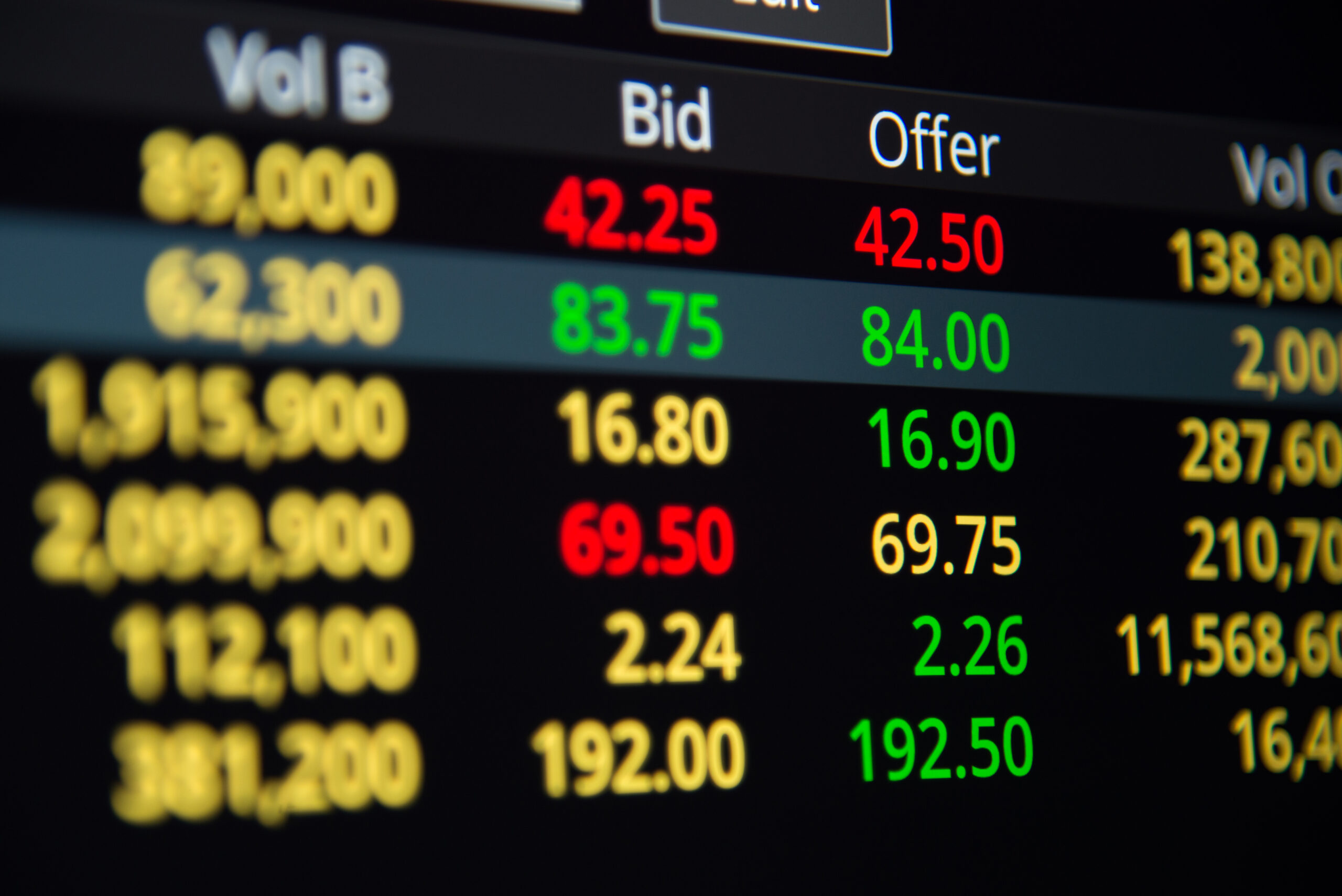
The bid price is what the market is willing to pay for a currency, while the ask price is what sellers want for it. The difference between the two is the spread, which is a small cost traders pay on each trade.
6. Spread – The Hidden Cost
The spread is like a taxi fare in Dubai—you might not notice it at first, but it adds up over time. A lower spread is better for traders because it reduces costs and improves profit margins.
7. Margin and How It Works
Margin is the money you set aside to open a trade. Think of it as a deposit that allows you to control a larger position. For example, with a $1,000 margin and 1:100 leverage, you can trade positions worth $100,000.
8. Leverage – Double-Edged Sword
Leverage lets you control large trades with little capital. While it magnifies profits, it can also magnify losses. For instance, with 1:50 leverage, a small 2% price move can double or wipe out your investment. Use leverage wisely to avoid financial risks.
9. Stop-Loss and Take-Profit Orders
A stop-loss order automatically closes your trade to limit losses, while a take-profit order secures profits when the price hits a target. These tools are like safety nets when walking a tightrope, ensuring you don’t fall into major losses.
10. Understanding Swaps
Swaps are overnight fees paid or earned when you hold a position past market closing time. They depend on interest rate differences between two currencies. For long-term traders in the UAE, swaps can significantly affect profits.
11. Forex Brokers in UAE
To trade successfully, you need a reliable broker. Look for:
-
Regulation: Licensed by the UAE Central Bank or DFSA
-
Low spreads and commissions
-
Good trading platforms
Choosing the right broker is like picking a trustworthy guide for your desert journey.
12. Regulations and Legal Aspects
Forex trading in the UAE is legal and regulated by authorities like the Central Bank of UAE and Dubai Financial Services Authority (DFSA). Ensuring your broker is licensed protects you from scams and illegal operations.
13. Risk Management Techniques
Successful trading is not just about profits; it’s about managing risks:
-
Never risk more than 2% of your capital per trade
-
Use stop-loss orders
-
Diversify currency pairs
-
Avoid overleveraging
14. Common Mistakes to Avoid
Many beginners in the UAE make these mistakes:
-
Trading without a plan
-
Ignoring risk management
-
Overusing leverage
-
Following rumors instead of analysis
Avoiding these errors can save you from heavy losses.
15. Conclusion
Understanding forex terms like pips, leverage, margin, and spreads is the foundation of successful trading in the UAE. With the right knowledge, strategy, and discipline, you can navigate the forex market confidently and profitably.
FAQs
1. What is the minimum capital required to start forex trading in the UAE?
You can start with as little as $100, but a recommended amount is $500–$1,000 for better risk management.
2. Is forex trading legal in Dubai and Abu Dhabi?
Yes, forex trading is legal and regulated in the UAE under strict financial authorities like DFSA and the Central Bank.
3. How much leverage should a beginner use?
Beginners should start with low leverage (e.g., 1:10) to minimize risks while learning.
4. Are forex profits taxed in the UAE?
Currently, the UAE does not tax individual forex trading profits, making it a favorable trading location.
5. How do I choose the best forex broker in the UAE?
Look for regulation, competitive spreads, reliable trading platforms, and strong customer support when selecting a broker.
About The Author